
For decades, Indian cities grew in zones: homes in one place, offices in another, and long commutes in between. Mixed-use developments take a different approach by putting the places people live, work, shop and relax closer together.
What makes a development mixed-use?
A mixed-use project combines two or more uses on the same site: retail at street level with offices above, homes beside a shopping promenade, or all three sharing landscaped open space.
Why they are gaining ground
Shorter journeys
When daily needs are within walking distance, people spend less time in traffic. That matters in fast-growing regions like Delhi NCR.
Places that stay alive
Offices bring daytime footfall, restaurants and shops bring evening crowds, and residents bring weekend life. The mix keeps a place active for more hours of the day.
Better use of land
Combining uses on well-connected land makes better use of infrastructure that cities have already paid for, such as metro lines and expressways.
What separates a good one from an average one
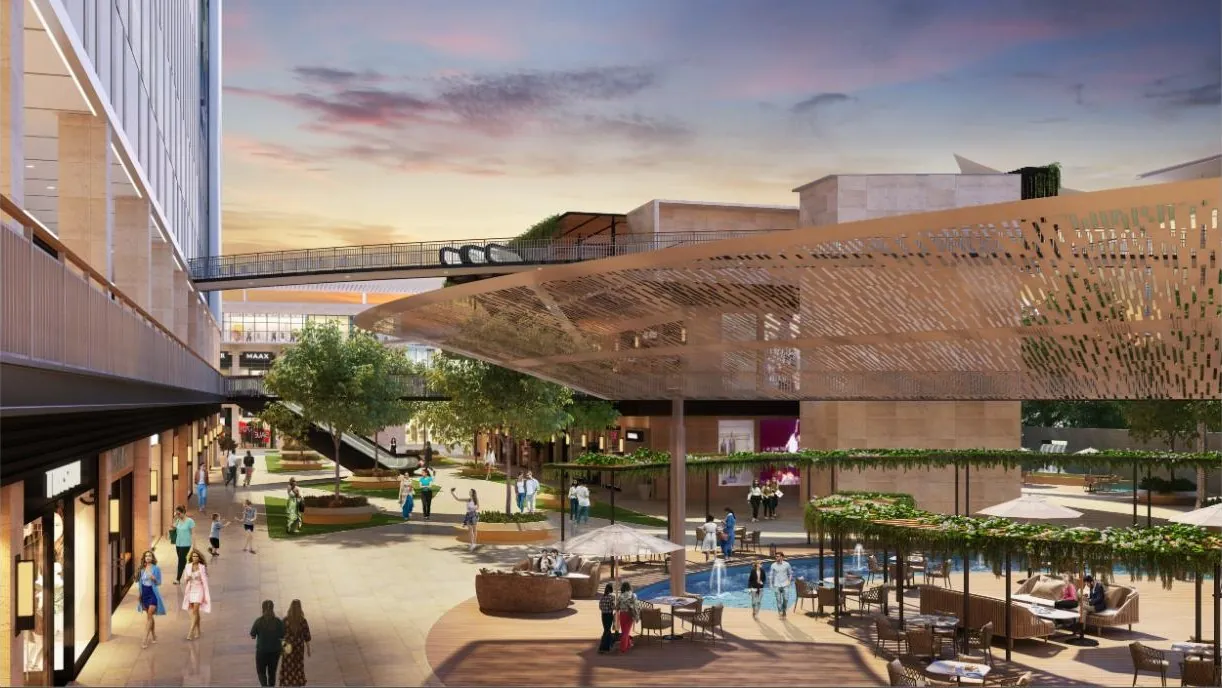
- Public space: plazas, shaded seating and water features that make people want to linger.
- Clear circulation: separate, easy routes for shoppers, office users and residents.
- The right anchor tenants: a balance of brands, food and services.
- Long-term management: maintenance and security planned from day one.
Looking ahead
As cities invest in transit and new growth corridors, the addresses that combine convenience, design and community are likely to hold their appeal. That is the thinking behind our developments, from planning to the last detail of the landscape.
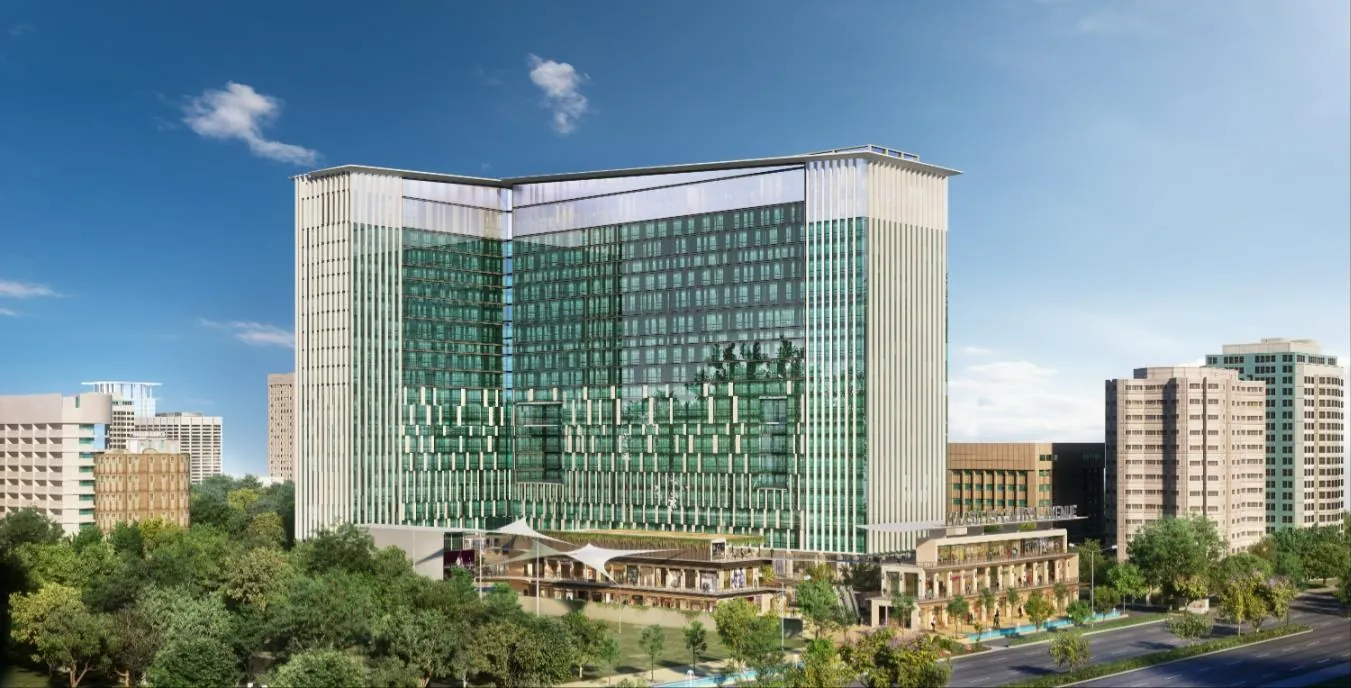
See how this comes together at Maasters Capitol Avenue, or talk to our team.